Pet food
Formulation, texture and acceptance in pet food and treats — aligned with ingredients, process and manufacturer
Dry extruded kibble, ready-to-eat wet food and a soft treat are different systems. Protein, starch, fat and water ratios determine structure, line behaviour and preservation options.
We connect formulation, raw materials and manufacturing conditions. Species, life stage and intended use — complete feed, complementary feed or treat — are defined at the outset. Nutritional adequacy and functional claims are reviewed with qualified animal-nutrition or veterinary professionals against the target market’s requirements.
Product families
Eight systems within the existing scope: extruded, ready-to-eat and functional pet food, protein-based and textured products, and treats. Format alone does not establish nutritional completeness.
- 01
Dry extruded pet food
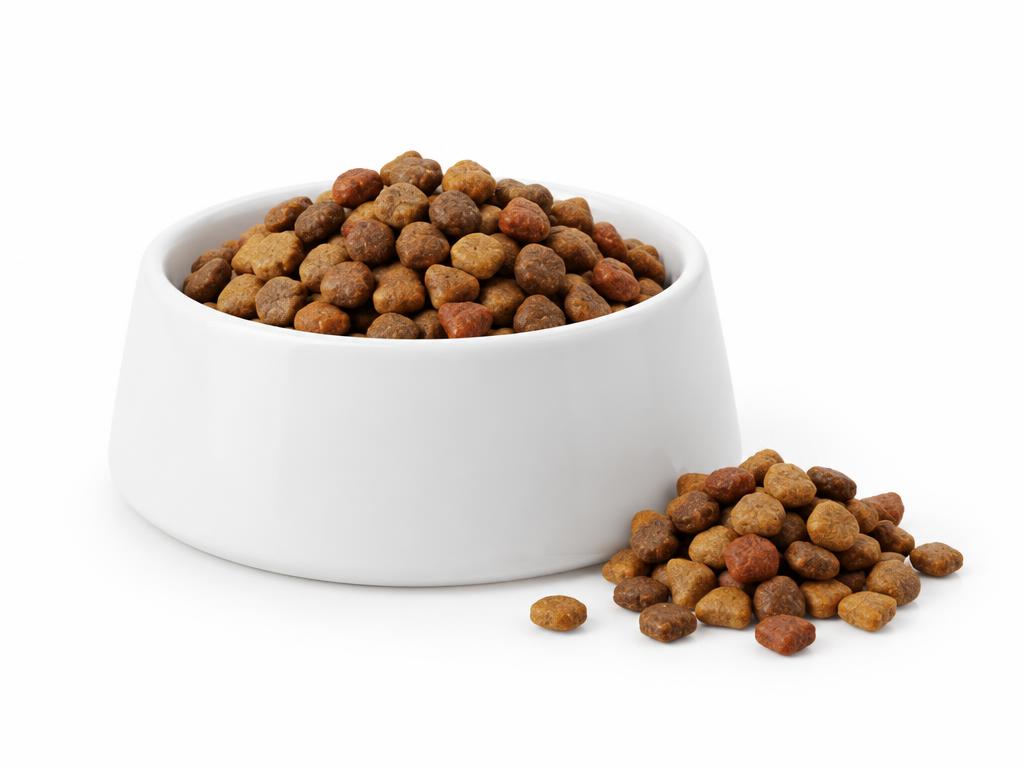
Kibble for dogs or cats. Starch gelatinisation, expansion, density, hardness and breakage; adaptation to preconditioning, extrusion and drying equipment.
- 02
Wet pâté-style pet food
Ground or emulsified products in cans, trays or pouches. Water and fat binding, texture stability and heat penetration in the final pack.
- 03
Chunks in gravy or gel
Structured protein pieces in a liquid phase. Shape retention, chunk-to-gravy ratio, filling viscosity and resistance to thermal processing and transport.
- 04
Chilled or frozen ready-to-eat food
Cooked portions ready to serve. Purge, serving uniformity, packaging and cold chain; cooking alone does not establish ambient shelf stability.
- 05
Functional pet food and products
Products with fibres, oils or actives for a defined purpose. Dose, uniformity, stability and matrix compatibility; species suitability and claim substantiation require professional assessment.
- 06
Protein-based and textured products
Animal, plant or permitted alternative protein systems. Hydration, binding and cooked structure; digestibility and amino-acid balance are assessed separately from protein content alone.
- 07
Crunchy snacks and treats
Baked or extruded bites. Size, crispness, breakage, coating and contribution to daily energy intake; treats do not automatically replace complete feed.
- 08
Soft treats and formed chews
Semi-moist or protein-rich products. Flexibility, hardness, water activity and moisture migration; size and breakdown are assessed for the animal and use, without promising dental benefits.
Technical challenges
Line performance, animal acceptance, nutritional adequacy and safety are distinct questions. Each needs appropriate measurements, not appearance alone.
Is the kibble dense, uneven or breaking in the bag?
We review grinding, starch and protein, preconditioner moisture, mechanical energy, die and drying. Density and hardness are measured before and after transport; extrusion settings cannot be transferred between lines without trials.
Does the animal reject the product after an ingredient change?
We separate aroma, fat oxidation, texture and coating effects, review palatants and coating sequence, and plan controlled species-appropriate acceptance and preference tests. A pleasant smell to humans is not sufficient evidence.
Does wet food release water or fat after retorting?
We review protein functionality, particle size, gels and water binders, fat-to-solids ratio and heating profile. Texture and separation are compared in the processed pack, not just before filling.
Does a soft treat harden, become sticky or develop mould?
We map water activity, not just moisture percentage, migration between components, permitted humectants and pack integrity. Preservation changes require product-specific microbiological testing and validation, not reliance on softness.
Do oils or aroma components oxidise during storage?
We assess fat quality, heat and oxygen exposure, permitted antioxidants and packaging barriers. Oxidation measurements and sensory assessment inform shelf-life testing of the final product.
Are vitamins or minerals uneven between servings?
We review premixes, weighing accuracy, particle segregation and coating distribution. Uniformity and processing/storage losses are measured; dose adjustments do not replace review of safe nutritional limits.
Does replacing a protein cut recipe cost but change the product?
We compare batch variability, ash, fat, water binding and extrusion behaviour. Finished-product cost includes yield and rejects; digestibility and nutritional suitability need expert review, not crude protein and price alone.
Can the product be labelled complete or carry a functional claim?
We define species, life stage and feeding amount, and review local rules and frameworks such as FEDIAF or AAFCO where relevant to the market. Nutrient balance, availability and claims need appropriate evidence; dogs and cats are not interchangeable.
Processes & technologies
Six workstreams selected by matrix and intended use. Not every product follows every step.
- 01
Specification, grinding and premixing
Raw-material specifications, particle size, dry or wet blending and low-dose additions. Target composition is reviewed with an animal-nutrition specialist.
- 02
Preconditioning and extrusion
Water and steam addition, residence time, shear, cooking and die shaping. Linking formulation, feed rate and equipment to expansion and structure.
- 03
Drying, cooling and coating
Drying profile and water-activity uniformity, cooling before packing, fat and palatant addition by spray or vacuum as the line allows; recontamination prevention is assessed within process control.
- 04
Wet food: forming, filling and heat treatment
Grinding, emulsifying or chunk formation, gravy preparation and filling. Shelf-stable food requires a validated retort process with a thermal-process specialist, heat-penetration studies and closure-integrity checks for each product and pack.
- 05
Treats: baking, shaping and moisture control
Mixing, baking or extrusion, forming and cutting, drying or controlled moisture retention. Hardness and size are matched to intended use and the preservation system validated.
- 06
Packaging, testing and production transfer
Oxygen and moisture barriers, closure integrity, nutritional uniformity, acceptance and stability. Pilot trials, safety plans and shelf-life studies are specific to product and line.
From development to the manufacturer
Larger batches change hydration, shear, heat transfer and coating uniformity. With the manufacturer, we define raw-material specifications, addition sequence, control points and acceptance criteria, and plan trials on available equipment rather than assuming a small recipe will transfer unchanged.
Nutritional completeness, acceptance, microbiological safety and shelf life require specific testing. Validation is coordinated with the manufacturer and qualified animal-nutrition, veterinary and thermal-process professionals as needed. There are no universal manufacturing conditions or guaranteed outcomes.
Developing pet food or a treat?
Tell us the intended animal, product format and formulation, texture or manufacturing challenge.
Contact us