Functional, Sports & Medical Nutrition
Developing products with proteins, active ingredients and a defined nutritional profile — with taste, texture and stability that work in production
A ready-to-drink protein beverage, an instant powder, a functional bar and a medical food product are different systems: they differ in protein and mineral load, water activity, the sensitivity of vitamins and actives to heat, oxygen and light, and in regulatory and labelling requirements.
We develop and improve products by looking at raw materials, formulation, equipment and manufacturing conditions together. Nutrition and health claims, medical indications and declared ingredient levels are reviewed against the applicable regulations and with qualified professionals.
Product families
Fortifying with protein, fibre or actives changes viscosity, taste, solubility and stability, so each family needs its own approach to formulation, process and packaging.
- 01
Ready-to-drink protein and nutritional beverages
High-protein dairy or plant-based drinks. Protein stability through heat treatment, viscosity, sedimentation and separation, off-notes and shelf-life stability.
- 02
Functional beverages
Drinks with vitamins, minerals, electrolytes, fibre or actives. Solubility, bitter or metallic notes, acidity, colour and retention of declared ingredients.
- 03
Protein powders and sports nutrition
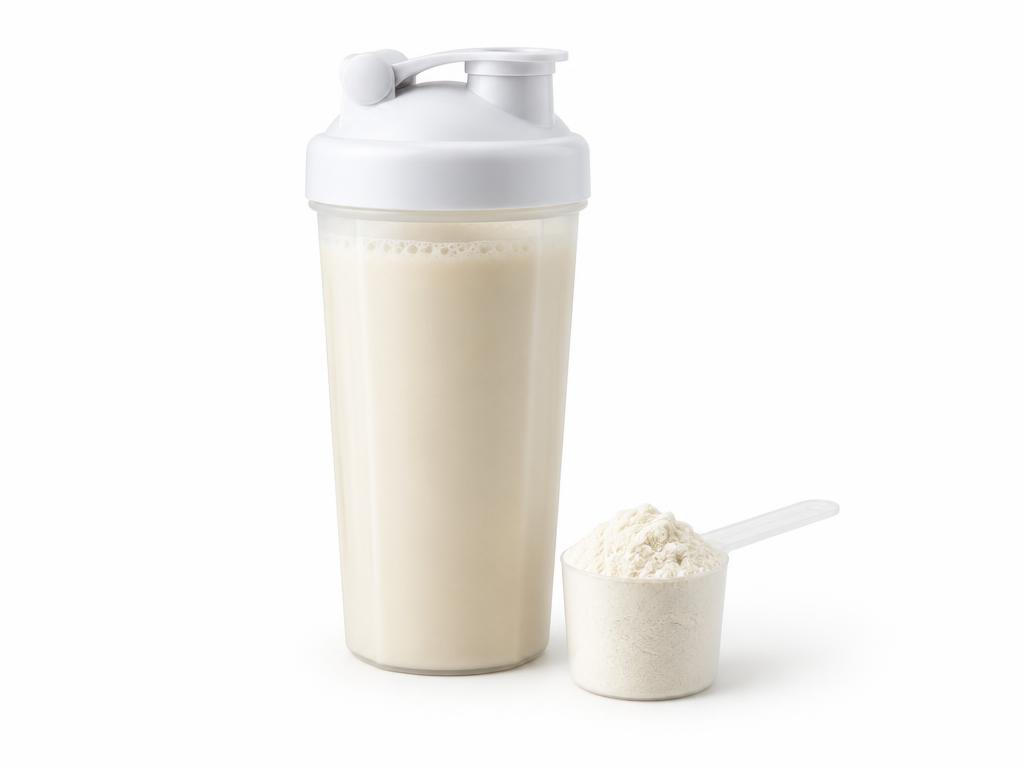
Protein powders, pre- and post-workout blends and carbohydrate products. Dispersion and dissolution, foaming, taste, powder flow and serving uniformity.
- 04
Instant nutritional powders and blends
Blends for drinks, porridges or soups. Uniform mixing of low-dose ingredients, segregation, moisture uptake, caking and reconstitution quality.
- 05
Medical foods and specialised nutrition
Products for use under medical supervision or for defined populations. Precise nutritional composition, texture, energy density and stability; classification and indication are determined with regulators and qualified professionals.
- 06
Functional snacks and bars
High-protein or high-fibre bars, bites and fortified snacks. Hardening over shelf life, water activity, binding, taste and bite.
- 07
Functional and fortified foods
Everyday foods with added fibre, protein, vitamins, probiotics or other ingredients. How fortification affects the original product and the existing process.
- 08
Foods incorporating supplements and actives
Food formats for ingredients such as creatine, caffeine, omega-3 or botanical extracts. Dosage, stability, taste masking, ingredient compatibility and regulatory limits.
Technical challenges
We look at protein, actives, formulation, equipment and process conditions together to find the root cause before changing supplier or adding a stabiliser.
Does the protein drink thicken, gel or sediment over time?
We review protein and mineral types, pH, homogenisation and heat-treatment profile, and how they drive aggregation, viscosity and shelf stability.
Do the protein or actives add bitterness or off-notes?
We separate notes coming from the raw material, oxidation or the process, and review sourcing, maskers, sweetness–acidity balance and the flavour system.
Does the powder fail to dissolve, clump or foam?
We review particle size, agglomeration and lecithination, order of addition and preparation temperature to improve wetting, dispersion and dissolution for the consumer.
Does a declared vitamin or active fall below label by end of shelf life?
We assess sensitivity to heat, oxygen, light and moisture, ingredient interactions, packaging and manufacturing overages; stability is confirmed by analysis for each product.
Does the bar harden, dry out or turn sticky over time?
We review water activity and moisture migration, the sugar and binder system, protein type and dry solids to slow hardening and preserve bite.
Does reducing sugar or calories hurt body, texture or taste?
We treat sweeteners, fibres and structuring ingredients as one system, assess their effect on viscosity, mouthfeel and water activity, and the limits on levels and labelling.
Are ingredients not evenly distributed in every serving?
We review low doses, premixes, density and particle size, mixing sequence and segregation during conveying and filling, so uniformity is actually measured.
Does the product work in the lab, but the claim or classification is unclear?
We map claims, target consumers and markets early and distinguish functional food, food supplement and medical food, together with regulatory advisers and qualified professionals.
Processes & technologies
The process is chosen based on the product format and ingredients; not every step applies to every product.
- 01
Raw materials, proteins and actives
Dairy and plant proteins, hydrolysates, fibres, vitamins, minerals and extracts; functionality, taste, supplier variability and analytical requirements.
- 02
Premixing, blending and dissolution
Concentrated premixes, order of addition, hydration of proteins and fibres, and uniformity control at low doses.
- 03
Homogenisation and heat treatment
Homogenisation, pasteurisation, UHT or retort depending on the product; effects on protein stability, colour and sensitive ingredients, professionally validated for each product and line.
- 04
Powders: agglomeration, dry blending and filling
Dry blending, agglomeration and particle coating, flow and compaction, segregation in conveying and accurate dosing at filling.
- 05
Bars and snacks: binding, forming and coating
Syrup and binder systems, mixing, slab forming or cold extrusion, cutting, coating and water-activity control.
- 06
Packaging, stability and transfer to production
Packaging that protects against oxygen, light and moisture; stability-testing plans, pilot-trial planning and comparison with line conditions.
From lab to production
Industrial mixers, heat-treatment systems, spray dryers, dry blenders, bar lines and filling machines change protein stability, ingredient uniformity and final texture. We review formulation, raw materials, equipment and process parameters together and prepare trials with manufacturing partners.
Declared nutritional values, claims, regulatory classification, microbiological safety and shelf life require product-specific analysis and validation, with qualified professionals where needed.
Developing a functional, sports or medical nutrition product, or solving a taste, stability or production issue?
Tell us briefly about the product and its formulation, texture, stability or process challenge.
Contact us