How Long Does a Food Product Really Last? Understanding Shelf Life
A food product can remain microbiologically safe while losing flavor, texture or stability. Learn what determines shelf life and how to evaluate it before launch.
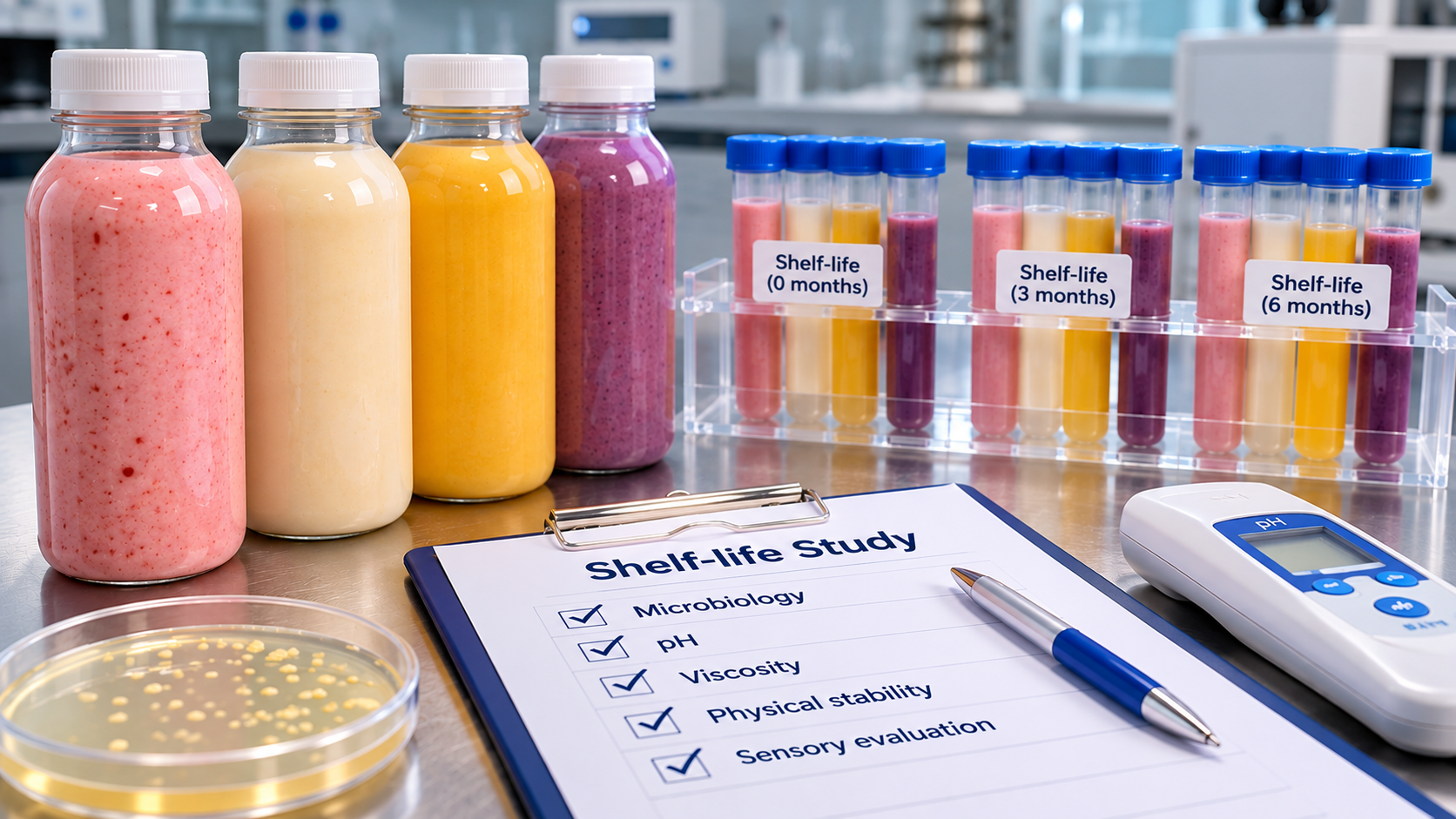
Imagine developing a new protein beverage. After several rounds of trials, you've achieved the flavor, texture and appearance you were looking for. The formulation is finalized, the samples look promising, and the product seems ready for the next stage.
Then a question comes up during a discussion with the client or manufacturer.
How long will the product last?
Three months? Six months? A year?
The answer is often driven by commercial requirements. Perhaps the product needs to be distributed to supermarkets across the country, or it needs enough shelf life to reach export markets.
It's also common to look at similar products already on the market. If a competing beverage has a shelf life of twelve months, it's tempting to assume that ours should be able to achieve the same result.
But two products that look almost identical won't necessarily behave the same way during storage.
Let's return to our protein beverage.
Suppose that after a few weeks, small particles begin to settle at the bottom of the bottle. The microbiological tests performed so far show no concerning results, but the beverage no longer looks like the sample we originally approved.
Can we still claim a six-month shelf life?
Not necessarily.
Even if the available microbiological results are satisfactory, the product may already have failed to meet its intended quality specifications.
This is why determining shelf life is not simply a matter of choosing how many months to print on the packaging. We need to understand how the product changes over time and gather evidence to support the period we intend to declare.
Shelf Life Is About More Than Microbiological Safety
Shelf life is the period during which a food product maintains its established safety and quality requirements, provided it is stored and used under the intended conditions.
Two aspects need to be considered separately: food safety and product quality.
Food safety concerns whether a product is safe to consume. Quality includes characteristics such as flavor, aroma, texture, color and appearance.
A food product may remain microbiologically safe while losing important quality attributes much earlier than expected.
A beverage may develop sediment or separate into layers. A snack may absorb moisture and lose its crispness. A sauce may change color, become thicker or thinner, or develop off-flavors as a result of oxidation.
In these situations, the factor limiting shelf life may be product quality rather than microbiological safety.
The opposite can also happen.
A product may look, smell and taste perfectly normal while still being unsafe to consume.
That's why tasting a sample after several months and finding that it still tastes good is not enough to establish its shelf life.
A proper assessment needs to consider both the relevant food safety risks and the quality characteristics the product is expected to maintain.
What Determines the Shelf Life of a Food Product?
There is no single test that can establish the shelf life of every food product.
A protein beverage, a refrigerated sauce, a dry snack and a shelf-stable canned product all present different challenges.
To understand what might limit shelf life, we need to consider the product as a complete system: its formulation, raw materials, manufacturing process, packaging and storage conditions.
Formulation and Raw Materials
The composition of a food product has a direct influence on its stability.
Parameters such as pH, water activity, salt and sugar concentrations, fat content, and the properties of proteins and other ingredients can affect how the product changes during storage.
Two particularly important parameters are pH and water activity, commonly expressed as aw.
pH indicates how acidic or alkaline a product is. Water activity describes the availability of water for different processes, including microbial growth.
Both are important when evaluating the safety and stability of many food products, but neither can determine shelf life on its own.
Ingredient interactions also matter.
In our protein beverage, for example, sediment formation could be related to the properties of the protein, its interactions with other ingredients, or the processing conditions it experienced.
Adding a stabilizer might improve the result, but before introducing another ingredient, it's worth understanding what is actually causing the problem.
Otherwise, we could change the beverage's texture without addressing the underlying instability.
For other products, the challenge may be entirely different.
In foods with a high fat content, oxidation may affect flavor. In dry snacks, moisture absorption can change texture. In emulsions, phase separation may make the product less appealing to consumers.
Shelf-life testing therefore needs to focus on the deterioration mechanisms that are relevant to each formulation.
The Manufacturing Process
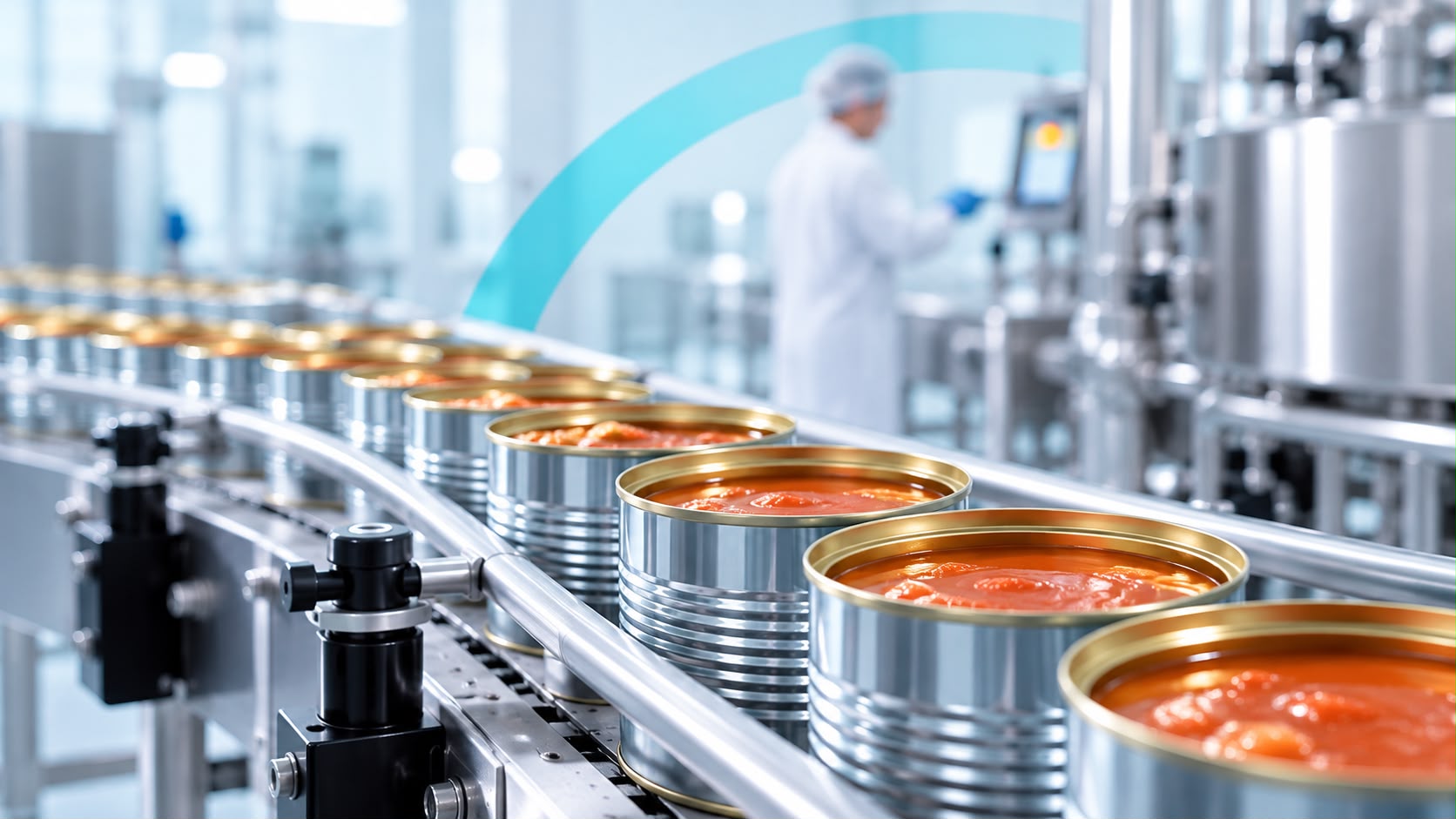
The process used to manufacture a food product also has a significant impact on shelf life.
A pasteurized beverage is not equivalent to a commercially sterilized product. Similarly, a product designed for refrigerated storage behaves differently from one intended to remain stable at ambient temperature.
Heating and cooling conditions, manufacturing hygiene, filling operations and the possibility of contamination after processing can all influence product safety and stability.
There is an important technical distinction here.
Shelf-life testing is not the same as process validation.
Even if a product shows no concerning microbiological results during a storage study, that does not, by itself, demonstrate that the heat treatment was adequate to control the relevant hazards.
Where process validation is required, it must be carried out using methods appropriate to the product and its actual manufacturing conditions.
These two types of assessment complement each other, but one cannot replace the other.
Packaging and Storage Conditions
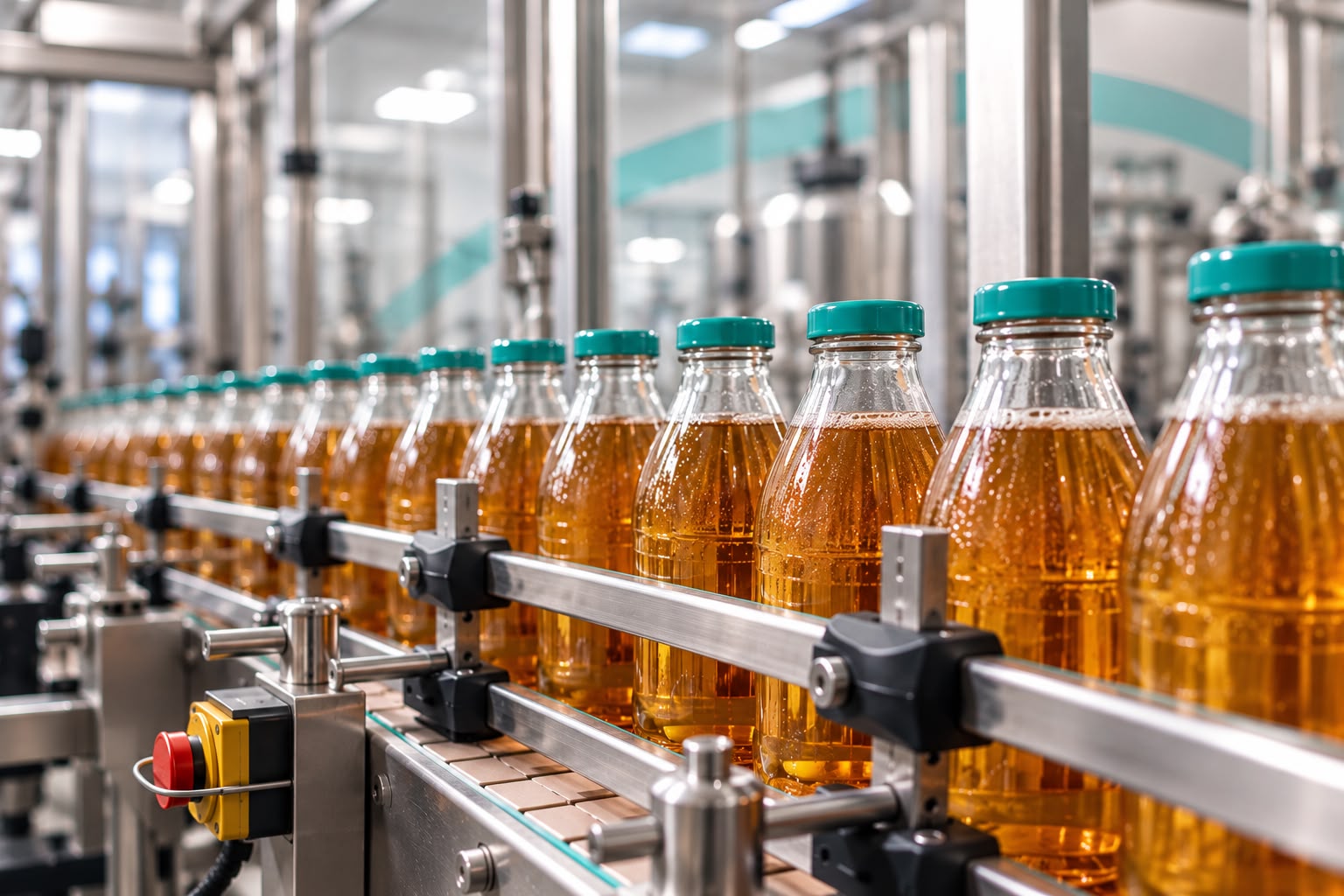
Packaging is part of the product's preservation system.
Its ability to limit the transfer of oxygen and moisture, or protect the product from light, can be just as important as certain formulation decisions.
A snack may lose its crispness if the packaging does not provide a suitable moisture barrier. A light-sensitive beverage may undergo color changes or degradation of certain components.
Seal integrity, interactions between the food and packaging material, and filling conditions also need to be considered.
This is why studying a product in a laboratory bottle may not accurately represent how it will behave in its final commercial package.
When establishing the shelf life of a product intended for sale, testing should ideally be conducted using the final packaging or a suitable equivalent that represents its relevant properties.
Storage conditions are equally important.
Before reaching the consumer, a product may pass through warehouses, trucks, distribution centers and retail stores.
Temperature fluctuations can be especially significant for refrigerated products. In other foods, exposure to heat, humidity or light may accelerate particular deterioration processes.
Shelf life should therefore be supported by evidence that reflects the intended storage conditions and relevant variations that can reasonably occur during distribution.
How Is Food Product Shelf Life Determined?
The first step is not simply putting a few samples into storage and waiting to see what happens.
We first need to define which characteristics the product must maintain, what could limit its shelf life, and which results will be considered acceptable.
Let's return to our protein beverage.
Suppose our commercial target is a six-month shelf life. To evaluate whether this is achievable, we need to identify the parameters most relevant to the product.
In addition to microbiological safety, these might include flavor, color, viscosity, sediment formation and physical stability.
This doesn't mean every parameter needs to be measured in every beverage. The selection depends on the formulation, manufacturing process and identified risks.
Based on this information, we can design an appropriate shelf-life study.
Monitoring the Product During Storage
Samples are stored under defined conditions that represent the intended storage and distribution environment.
Evaluation points are established throughout the study. At each point, the relevant tests are performed and the results are compared with acceptance criteria established in advance.
For our beverage, we might monitor changes in viscosity, sediment formation, color and the development of undesirable flavors.
Sensory evaluation also plays an important role.
Not every change that affects the consumer experience can be identified through instrumental measurements. Sometimes a relatively small difference in flavor or mouthfeel determines whether a product still meets the intended quality standard.
At the same time, appropriate microbiological assessments are performed according to the product and its specific risks.
In some cases, additional evaluations may be necessary, such as predictive microbiological models or challenge studies conducted by qualified laboratories.
These approaches can help answer specific safety questions that routine testing of a few stored samples cannot resolve.
The objective is not simply to observe whether the product appears acceptable. It is to collect enough relevant evidence to justify the proposed shelf life.
Is Testing One Production Batch Enough?
Not always.
Raw materials can vary between suppliers and batches. Manufacturing conditions may also differ between production runs, particularly during the early stages of industrial scale-up.
Depending on the product, its risks and the scope of the study, it may be necessary to evaluate more than one batch or account for reasonable process variations.
The evidence should adequately represent the commercial product, not just a single laboratory sample that performed well under controlled conditions.
Can Shelf-Life Testing Be Accelerated?
This question comes up frequently, especially when a company wants to launch a product quickly.
If the target shelf life is twelve months, waiting an entire year for the results may create a commercial challenge.
For certain products, accelerated shelf-life studies can provide useful information in a shorter period.
These studies use modified storage conditions, such as elevated temperature, humidity or light exposure, to accelerate specific deterioration mechanisms.
For example, accelerated testing may help evaluate oxidation, texture changes or quality losses in certain dry foods or products that are stable at ambient temperature.
However, there is an important limitation.
Not all deterioration mechanisms respond to accelerated conditions in the same way.
Increasing the temperature may speed up a particular chemical reaction while also causing changes that would not occur in the same way under normal storage conditions.
For that reason, we cannot automatically assume that one week at an elevated temperature is equivalent to several months of normal storage.
Reliable predictions require an understanding of the relevant deterioration mechanism and a validated relationship between accelerated and real storage conditions.
Accelerated studies can be valuable tools when they are properly designed, but they do not automatically replace real-time shelf-life studies.
In particular, they should not be treated as a substitute for the microbiological safety assessments required to establish shelf life.
What Happens If We Change the Formulation or Packaging?
Suppose a company has established the shelf life of a sauce. A few months later, it decides to reduce the sugar content, replace an ingredient or use a different packaging material.
Can the original shelf life remain unchanged?
Not necessarily.
Even a relatively small modification may affect pH, water activity, emulsion stability, oxidation or microbiological behavior.
The same applies when manufacturing equipment, heat treatment or storage conditions change.
This does not mean that every modification requires repeating the entire shelf-life study from the beginning.
What matters is evaluating the potential impact of the change and determining which additional tests or verifications are needed.
Shelf life is established for a product with a specific composition, manufactured using a defined process, packed in a particular type of packaging and stored under specified conditions.
When any of those elements changes, we need to assess whether the existing evidence is still valid.
Shelf Life Is Also a Commercial Decision
Determining shelf life is not only a laboratory concern.
It has direct consequences for the business.
A product with an unnecessarily short shelf life may create distribution difficulties, increase losses from expired stock and limit access to certain markets.
On the other hand, assigning a shelf life that is too long without sufficient supporting evidence can lead to quality problems, customer complaints, product recalls and potential risks to consumers.
This is why it makes sense to define a target shelf life during the early stages of product development.
If we know that a beverage needs to remain stable for six months to be commercially viable, that requirement should influence ingredient selection, formulation development, processing conditions and packaging decisions from the beginning.
Perhaps the formulation needs to be adjusted to improve physical stability. Maybe the heat treatment needs to be reviewed or a packaging material with better barrier properties is required.
In other situations, changing the storage conditions or reconsidering the commercial shelf-life target may be a more practical solution.
The goal is not necessarily to achieve the longest shelf life possible.
It is to find the right balance between safety, quality, product characteristics and the practical requirements of manufacturing and distribution.
When Should Shelf-Life Evaluation Begin?
Well before the product reaches the market.
Even during early formulation work, we can monitor how a product behaves during storage and identify factors that could limit its stability.
These initial observations do not replace a formal shelf-life study, but they can help guide development and reveal problems before significant resources are invested in later-stage trials.
Once the formulation, manufacturing process and packaging are sufficiently defined, a more comprehensive study can be designed to support the shelf life of the commercial product.
In food product development, producing an excellent laboratory sample is only part of the job.
The challenge is often ensuring that the product maintains its intended characteristics after leaving the factory, passing through distribution and reaching the consumer.
Whether a company needs to improve the stability of a beverage, adapt the manufacturing process of a sauce or develop a product with a specific shelf-life target, it makes sense to address these requirements during formulation development rather than waiting for problems to appear just before launch.
Shelf life is more than a date printed on a package. It comes from understanding the product, controlling the manufacturing process and having reliable evidence of how the food behaves over time.